
Schools
Atlanta remembers educator Phyllis Lawhorn after deadly house fire
By Linda Choi
Advertisement · Why this ad?
Linda has dedicated over 8 years to covering education in Georgia, with her Bachelor's degree from Emory University. She previously worked for the Cherokee Tribune, where she focused on school board meetings and educational policy, giving her a deep understanding of local education dynamics.
More from Linda →
Atlanta is mourning the loss of Phyllis Lawhorn, a pioneering educator, historian, and community leader who died in a house fire at the age of 99. Residents of Atlanta Public Schools, Clark Atlanta University, and the Collier Heights neighborhood are reflecting on her significant contributions to education and her unwavering commitment to civic engagement. Her passing represents a significant loss for a city deeply shaped by her decades of service and advocacy.
On Tuesday morning, firefighters responded to a house fire in Collier Heights, where 99-year-old Phyllis Lawhorn, who was wheelchair-bound, tragically lost her life. Lawhorn's career spanned decades, beginning with 30 years of teaching English in Columbia, South Carolina and Atlanta. She later became a professor at Clark Atlanta University, leaving an indelible mark on generations of students. Her legacy is particularly significant due to her role in desegregating North Fulton High School in 1968.
“She was the first teacher to desegregate on the professional level,” said Atlanta City Council Member Michael Bond, who remembers meeting Lawhorn as a student at Frederick Douglas High School, where she taught. “The first black teacher to teach at a predominantly white high school. With racial attitudes the way they were and people not necessarily wanting black teachers to teach their kids? She was there on the front line. She did it and didn't receive the criticism that you expect.” Bond emphasized her courage in breaking down barriers during a period of significant social change. The context of this desegregation effort is crucial. In the late 1960s, Atlanta, like much of the South, was still grappling with the fallout from the Civil Rights Movement. While legal segregation had been dismantled, de facto segregation persisted in many areas, including schools. The decision to place Black teachers in predominantly white schools was a deliberate strategy to promote integration and foster understanding between communities. It was a challenging and often fraught process, requiring immense courage and resilience on the part of those involved.
North Fulton High School, like many schools in the area, had previously been all-white. Lawhorn's presence was a symbolic and practical step towards creating a more equitable educational environment. Her ability to navigate this delicate situation with grace and professionalism made her a role model for both students and colleagues. The lack of widespread criticism she received, despite the prevailing prejudices of the time, speaks volumes about her character and the respect she commanded. The desegregation of Atlanta’s schools was not merely a legal mandate; it was a deeply emotional and transformative experience for many families and educators, and Lawhorn’s presence at North Fulton High School represented a significant step forward in the city's journey toward racial reconciliation.
Beyond her professional achievements, Lawhorn was a cherished mentor and neighbor in the Collier Heights neighborhood. She was deeply invested in preserving its history and fostering a sense of community. This passion led her to author *Atlanta's Collier Heights: Bending with the Wind*, a testament to her dedication to documenting the neighborhood's rich heritage.
“She was very civically engaged and cared greatly about what was going on in her neighborhood, the city, and the world,” Bond said. “She was a great example of how to live your life and never retreat from the space. Never retreat from the rest of planet Earth.” Dr. Juanita Morton, President of the Collier Heights National Historic District, echoed this sentiment, stating, “We have a pride legacy. We stand on shoulders, and she’s one of the shoulders that we stand on.”
Collier Heights itself is a historically significant neighborhood, originally established in the early 20th century as a planned community for Black Atlantans. It was a haven for middle-class African American families during a time when discriminatory housing practices limited their options. The neighborhood’s history is intertwined with the broader story of Black resilience and achievement in Atlanta. Lawhorn’s book, *Atlanta's Collier Heights: Bending with the Wind*, is a vital resource for understanding this history, preserving the memories of long-time residents, and celebrating the community's enduring spirit. It serves as a valuable record of the challenges and triumphs faced by those who built and sustained Collier Heights. The creation of Collier Heights was a direct response to restrictive covenants and other discriminatory practices that prevented Black Atlantans from purchasing homes in many other parts of the city. It represented a deliberate effort to create a thriving, self-sufficient community where Black families could build wealth and prosperity.
Atlanta Mayor Andre Dickens expressed his deep sadness over Lawhorn's passing, noting that she lived just around the corner from him. He shared a heartfelt message on social media, calling her “the glue that kept our little corner of Atlanta connected.” Dr. Christopher Bass, interim dean of arts and sciences at Clark Atlanta University, released a statement celebrating her legacy as an educator who set the gold standard for teaching and academic excellence.
“Professor Phyllis Lawhorn was a landmark figure at Clark Atlanta University,” Bass wrote. “She embodied pedagogy at its finest, holding students to high expectations while equipping them with the knowledge and confidence to succeed. Her expertise was so widely respected that students and fellow professors alike sought her counsel and trusted her discerning review of their written work.”
The statement from Dr. Bass highlights the profound impact Lawhorn had on Clark Atlanta University, a historically Black college deeply rooted in Atlanta’s history. CAU has long been a beacon of opportunity for Black students and a vital institution for the advancement of African American scholarship and culture. Lawhorn’s dedication to her students and her commitment to academic rigor helped to uphold the university’s tradition of excellence. Clark Atlanta University's history is inextricably linked to the broader narrative of Black higher education in America, and Lawhorn’s contributions helped to solidify its place as a leading institution.
Lawhorn’s influence extended far beyond the classroom, shaping the lives of countless students and neighbors. She fostered a sense of pride within the Collier Heights neighborhood, actively participating in its preservation and promoting its unique history. Her commitment to education and community upliftment made her a role model for many.
Beyond her formal teaching roles, Lawhorn was known for her informal mentorship. She took a genuine interest in the lives of her students and neighbors, offering guidance, encouragement, and a listening ear. Many recall her as a source of wisdom and inspiration, someone who always had time to offer support and advice. Her ability to connect with people from all walks of life made her a beloved figure in the community. This kind of quiet, consistent support is often what makes the most lasting impact on individuals’ lives, and Lawhorn’s legacy as a mentor will endure long after her passing.
As of Thursday morning, there are no set plans for a formal memorial service for Lawhorn. However, community leaders are exploring options to honor her legacy, with discussions underway regarding a potential city memorial. Michael Bond stated that she is “worthy of a city memorial.” The cause of the fire that claimed Lawhorn’s life remains under investigation.
The lack of immediate memorial plans reflects the shock and grief felt by the community. However, it is likely that a memorial service or other tribute will be organized in the coming weeks to allow people to gather and celebrate Lawhorn’s life. The possibility of a city memorial underscores the widespread recognition of her contributions to Atlanta. The ongoing investigation into the fire's cause is critical, not only for determining accountability but also for identifying and addressing any potential fire safety hazards within the community, particularly in older neighborhoods like Collier Heights.
The community is now grappling with the loss of a beloved figure while simultaneously celebrating her remarkable life. Efforts are underway to ensure that Lawhorn's legacy is properly honored, and her contributions to Atlanta’s educational and historical landscape are not forgotten. As investigations into the cause of the fire continue, the focus remains on preserving her memory and carrying forward her vision for a more equitable and just society.
The investigation into the cause of the fire is crucial, not only to determine what happened but also to ensure that steps are taken to prevent similar tragedies from occurring in the future. The Collier Heights neighborhood, like many older communities, may face challenges related to aging infrastructure and fire safety. This incident may prompt a review of safety measures and resources for residents.
For more information about the Collier Heights neighborhood and its history, visit Collier Heights Historical Information.
Phyllis Lawhorn’s life serves as a powerful reminder of the impact one person can have on a community and a city. Her memory will undoubtedly continue to inspire generations to come.
By Linda Choi

By Linda Choi
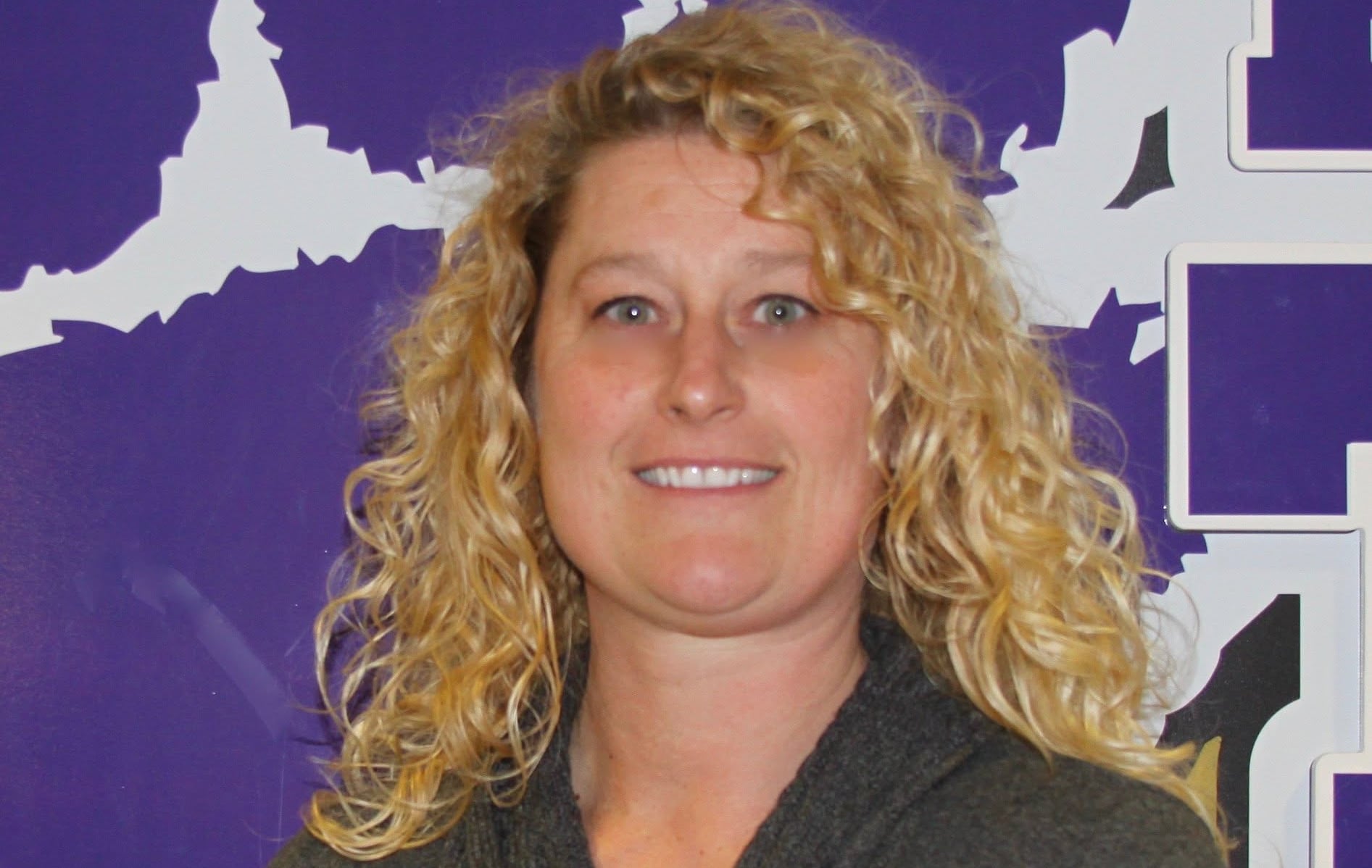
By Linda Choi

By Linda Choi